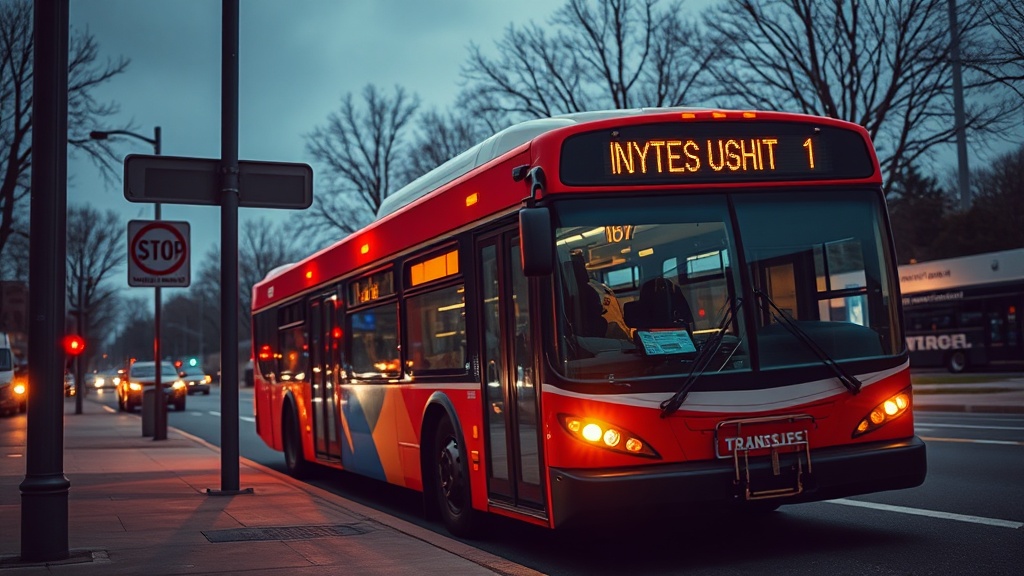
How to Use the Guelph Transit Bus System Like a Local

What This Post Covers (and Why You'll Actually Use Guelph Transit)
This guide walks through everything needed to ride Guelph Transit like someone who's been doing it for years — from understanding the route map and fare structure to mastering the transfer system and finding real-time arrival info. Guelph Transit serves about 15 million passengers annually across our community, yet plenty of locals still avoid the bus because it feels confusing. That ends here. Whether commuting to the University of Guelph, getting to the Stone Road Mall, or simply leaving the car at home, these practical tips will make Guelph Transit your reliable option.
How Much Does Guelph Transit Cost in 2025?
A single adult cash fare costs $3.50, while seniors (65+) and youth (6-18) pay $3.00. The real savings come with passes — a monthly adult pass runs $80, which pays for itself if riding more than 23 times per month.
Here's the thing: Guelph Transit moved to a tap-and-go system with the introduction of ONCARD, the reloadable smart card. Load funds online, at City Hall, or at participating convenience stores. The card itself is free — just pick one up and register it online to protect your balance if it gets lost.
U of G students get an even better deal. Full-time undergraduate and graduate students receive a universal bus pass (U-Pass) included in student fees — unlimited rides throughout the semester. Faculty and staff can purchase discounted semester passes through the university.
Worth noting: transfers are free and valid for 90 minutes. Tap your ONCARD or request a paper transfer when boarding, and you're set for connections anywhere in Guelph without paying twice.
| Fare Type | Cost | Best For |
|---|---|---|
| Cash (Adult) | $3.50 | Occasional riders, visitors |
| Cash (Senior/Youth) | $3.00 | Eligible occasional riders |
| ONCARD (Adult) | $3.00 | Regular riders wanting convenience |
| ONCARD (Senior/Youth) | $2.70 | Eligible regular riders |
| Monthly Pass | $80.00 | Daily commuters |
| U-Pass (U of G Students) | Included in tuition | Full-time students |
Where Does Guelph Transit Actually Go?
The system covers the entire city with 30+ routes radiating from the Guelph Central Station downtown — located at 79 Carden Street, right beside the VIA Rail station. From this hub, buses reach every corner of Guelph: the University district, the south end's big-box retail corridors, the east end residential neighbourhoods, and the north end industrial parks.
Key routes worth memorizing:
- Route 99 Mainline: The workhorse — runs every 15 minutes along Gordon Street, connecting the University of Guelph to downtown to the Guelph General Hospital area.
- Route 20 Northwest: Serves the vibrant Dublin Street neighbourhood and continues to the West End Community Centre.
- Route 13 Southgate: Hits the Stone Road Mall, Guelph's largest shopping destination, plus the bustling Scottsdale Drive corridor.
- Route 7 Kortright: Connects the east end — including the Eastview Road area and the Guelph Lake Conservation District access points — to downtown.
The catch? Service frequency varies dramatically by route and time of day. Mainline routes run every 15-30 minutes during weekdays, but some neighbourhood routes drop to hourly in the evenings and Sundays. Always check the schedule — Guelph Transit isn't Toronto's TTC, and pretending otherwise leads to long, cold waits.
How Do You Track Guelph Transit Buses in Real Time?
You don't need to guess when the next bus arrives. Guelph Transit provides real-time tracking through the official Guelph Transit website and the Transit App (a third-party app that aggregates bus data across hundreds of cities).
Here's how it works: each bus has GPS tracking, and the system estimates arrival times based on current traffic conditions along Guelph's streets. The Transit App is particularly handy — it shows buses moving on a map in real-time, so you can literally watch your ride approach the stop.
For those who prefer texting, each bus stop has a unique ID number posted on the sign. Text that number to 41234, and you'll receive the next three arrival times via SMS. Old school? Sure. Reliable when your phone battery's dying? Absolutely.
Pro tip for Guelph winters: real-time tracking becomes less accurate during heavy snow. Buses slide, traffic snarls, and those 3-minute estimates can suddenly become 10-minute realities. Give yourself buffer time from November through March — our community knows lake-effect snow doesn't mess around.
What's the Best Way to Plan a Guelph Transit Trip?
The Guelph Transit trip planner on the city website works well for point-to-point routing — enter your starting address and destination, and it suggests the best routes with transfer points. Google Maps also integrates Guelph Transit data, so you can compare driving versus transit times before leaving home.
That said, some local knowledge helps. Downtown Guelph's one-way street maze — especially around Wyndham Street and Woolwich Street — means buses sometimes loop in unexpected patterns. A bus labeled "South" might actually head north for two blocks to handle the downtown core before turning. Trust the destination sign above the windshield, not your internal compass.
For regular commuters, study the frequency map rather than memorizing individual timetables. Routes operating every 15-20 minutes (the Mainline routes) allow casual timing — show up and expect a bus soon. Routes running hourly demand schedule discipline. Missing the 7:45 AM departure on an hourly route means waiting until 8:45, which won't impress your boss.
How Do Transfers Work on Guelph Transit?
Transfers connect the system together. When boarding, request a transfer from the driver (paper) or tap your ONCARD — the transfer window lasts 90 minutes from that moment. You can ride multiple buses, going any direction, within that window without paying again.
The transfer system's flexibility surprises newcomers. You could board Route 99 at the University, transfer to Route 13 at Guelph Central Station to hit Stone Road Mall, then catch Route 20 home — all on one fare. Just stay within the 90-minute window.
Important: transfers are for continuous trips. You can't use a transfer for a round trip or stop for a two-hour dinner and reboard. Drivers notice, and fare inspectors (yes, Guelph Transit has them) do check.
What About Accessibility and Special Services?
All Guelph Transit buses are low-floor with wheelchair ramps — every single one. Priority seating at the front accommodates mobility devices, and drivers are trained to secure wheelchairs and provide assistance. For passengers who cannot use conventional buses due to disability, MobilityPLUS offers door-to-door service throughout Guelph.
Strollers, grocery carts, and large bags are welcome. The etiquette? Fold strollers if the bus gets crowded, and keep the aisle clear during rush periods. Guelph Transit drivers generally enforce rules with polite reminders rather than stern warnings — it's part of our community's character.
Bikes ride free on rack-equipped buses — most routes have them. The front-mounted racks hold two bicycles, and loading takes about 30 seconds once practiced. Guelph's trail network connects beautifully with bus routes, making bike-and-bus combinations practical for cross-town trips.
What Should You Know About Peak Times and Crowding?
Guelph Transit experiences predictable rush hour patterns. Morning peaks run 7:00-9:00 AM, with buses packed heading toward the University and downtown employment centres. Evening peaks mirror this from 4:00-6:00 PM. Route 99 during class change times? Standing room only — often with students holding laptops, coffee cups, and that particular exhausted energy of midterm season.
If flexibility allows, traveling midday (10:00 AM-2:00 PM) or late evening (after 7:00 PM) means spacious seating and quieter rides. Saturday mornings are surprisingly peaceful — many routes run reduced schedules, but ridership drops significantly compared to weekday commuters.
Special events change everything. The Downtown Guelph Business Association hosts festivals throughout summer — Buskerfest, the Jazz Festival, the Farmers' Market special events — and Guelph Transit often runs extended hours or additional routes. Check the city website before heading to these events; parking downtown becomes nightmarish, and transit becomes the smart play.
Riding Etiquette: Unwritten Rules of Guelph Transit
Local riders follow unspoken conventions that keep the system civil. Remove backpacks when standing — they occupy space others need. Have your fare ready before boarding to keep lines moving at busy stops. Thank drivers when exiting through the front door (it's genuinely common here, not quaint).
Headphones are expected; speakerphone calls are not. Food is technically allowed, but strong-smelling meals earn dirty looks on packed buses. And yes, drivers will wait if they see someone running for the stop — but don't abuse this generosity during peak times when 30 passengers sit waiting.
The front seats are for seniors and passengers with disabilities. Offer them without being asked — it's part of what makes Guelph Transit feel like community infrastructure rather than just transportation.
Getting Started: Your First Guelph Transit Ride
Ready to try it? Start with a simple trip. Pick up an ONCARD at City Hall (1 Carden Street) or any Shoppers Drug Mart location in Guelph. Load $20 to test the waters. Plan a route using the trip planner — perhaps from your neighbourhood to the Guelph Farmers' Market on Saturday morning, or to the Bookshelf Cinema downtown for an evening show.
Arrive at your stop five minutes early. Watch the destination sign (not just the route number — some routes split into different destinations). Tap your card, grab a seat, and look out the window. You'll see Guelph differently from the bus — the architectural details of the downtown heritage buildings, the bustle of the University district, the residential character of neighbourhoods you'd otherwise speed past in a car.
After a few rides, you'll recognize regulars. The barista heading to work on Speedvale Avenue. The retired couple doing their weekly Stone Road Mall circuit. The student with the same oversized headphones every Tuesday. Guelph Transit isn't anonymous big-city transit — it's our neighbours, going about our shared daily lives in this city we call home.
Steps
- 1
Download the Guelph Transit app and plan your route
- 2
Purchase your fare or load your OnYourWay card
- 3
Navigate stops, transfers, and real-time tracking